

INFP (Mediator): Jungian cognitive functions and 16-type personality profile.
16-Type Personality Profile
Mediators are known for their idealism, creativity, and pursuit of inner values. Making up about 4-5% of the population, they are often regarded as thoughtful, emotionally rich, and imaginative individuals. Mediators pursue inner harmony and wholeness, frequently reflecting on their own thoughts and feelings. They tend to seek peace and enjoy helping others realize their potential.
Characteristics
Deep Emotions and Morality: Mediators have a deep understanding of emotions and morality. They often hold strong personal values, emphasizing honesty, sincerity, and compassion.
Creativity and Imagination: People of this type excel in creative thinking and imagination. They enjoy exploring possibilities and creative solutions.
Strengths
Compassion and Understanding: Mediators possess a high degree of compassion and understanding. They can empathize deeply with others' feelings and needs.
Highly Adaptable: Mediators are highly adaptable in both emotions and thought. They can understand problems from multiple perspectives and remain open to new ideas.
Blind Spots
Overly Idealistic: Mediators can sometimes be overly idealistic, with expectations of people and situations that may be too high, sometimes leading to disappointment.
Conflict Avoidance: In their pursuit of harmony, Mediators may avoid confronting conflicts directly, which can sometimes hinder problem-solving or expressing personal needs.
Love
Deeply Affectionate and Sincere Partners: In romantic relationships, Mediators seek deep emotional connections. They long to build sincere and understanding relationships with their partners, and tend to express their profound emotions and thoughts.
Seeking Resonance: Mediators wish to share values and interests with their partners. They seek resonance and harmony in their relationships.
Friendship
Loyal Friends: As friends, Mediators are loyal and supportive. They tend to build deep connections with a small number of close friends rather than maintaining a wide social circle.
Encouraging and Inspiring: Mediators often inspire their friends with their creative perspective and encouraging attitude. They are glad to help others explore themselves and grow.
Career Tendencies
Suitable Career Types: Mediators are typically well-suited for careers that allow them to utilize their creativity, compassion, and idealism.
Typical Suitable Careers: Writer, artist, psychologist, social worker, teacher, librarian, nonprofit organization worker. In these careers, they can fully leverage their introspection, creativity, and care for others.
Representative Figures
Based on community vote data

Franz Kafka (1883-1924) was an Austrian novelist and one of the founders of modernist literature. Born in Prague to a Jewish merchant family, he wrote in German. His works, such as 'The Metamorphosis,' 'The Trial,' and 'The Castle,' use absurd and alienating prose to depict the loneliness, alienation, and powerlessness of modern individuals under bureaucratic systems and social pressure. His unique 'Kafkaesque' style profoundly anticipated the existential crises of the 20th century.

Albert Camus (1913-1960) was a French author and philosopher, a representative figure of absurdist philosophy. Born in Algeria, he worked as a journalist early in his career. His works, such as 'The Stranger,' 'The Plague,' and the philosophical essay 'The Myth of Sisyphus,' profoundly reveal the absurdity of human existence while advocating rebellion and the search for meaning in the face of nothingness. He won the Nobel Prize in Literature in 1957.

Du Fu (712-770) was a great realist poet of the Tang dynasty, honored as the 'Poet Sage.' His poetry deeply reflects social turmoil and the suffering of common people. Works such as 'Spring Prospect' and 'Ascending' showcase his profound concern for the nation and mastery of language. His poetry, known as 'poetic history,' had a profound influence on the development of Chinese classical poetry.
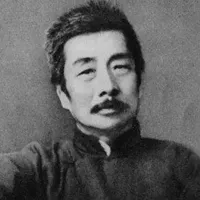
Lu Xun (1881-1936), born Zhou Shuren, was the founder of modern Chinese literature and a renowned writer and thinker. He was a key participant in the New Culture Movement. His representative works 'Call to Arms' and 'Wandering' exposed the ills of society. 'A Madman's Diary' was the first modern vernacular Chinese short story. His writings sharply criticized feudal morality and national character, with essays as incisive as daggers.
Jungian Cognitive Functions
INFP's function order is Fi → Ne → Si → Te: Dominant Function Fi, Auxiliary Function Ne, Tertiary Function Si, Inferior Function Te; the shadow functions are Fe, Ni, Se, Ti.
Jungian Functions · Positive
Introverted Feeling (Fi) occupies the dominant function position for INFP.
The Dominant Function is the most core psychological trait of an individual, naturally developing from childhood and becoming the most proficient and trusted function in adulthood, being prioritized in most situations and greatly influencing one's cognitive style, decision-making approach, and behavioral patterns.
This function is the core of one's inner world, representing the most confident and proud part of oneself. It plays a decisive role in the individual's conscious orientation and source of strength, and is key to self-identity and potential realization.
The advantage of the Dominant Function lies in its naturalness and efficiency, as it is the function the individual is most accustomed to and can use with the least effort, providing strong internal motivation and clear decision-making direction. It helps the individual maintain confidence and decisiveness when facing challenges, and is an important source of achievement and energy recovery. However, the Dominant Function also has potential drawbacks. Due to its power and naturalness, the individual may become overly dependent on this function, neglecting the development and use of other psychological functions. This over-reliance can sometimes lead to incompetence or maladjustment when facing problems that require other functions. Additionally, overuse of the Dominant Function may make the individual stubborn and narrow-minded, unable to accept and understand perspectives and methods inconsistent with their dominant function.
The individual typically exhibits high personal values and moral standards, is very sensitive to emotions and inner experience, and tends to understand and evaluate the external world through a personal lens. They value authenticity and personal connection, tending to consider emotional and value factors in decision-making. Strengths include deep self-awareness, sensitivity to others' emotions, strong personal beliefs and values, and the ability to stand firm when facing conflict. Weaknesses may include excessive introspection, emotional stubbornness, potential feelings of isolation, and challenges when facing external pressure that conflicts with personal values. Fi-dominant individuals may appear somewhat reserved in social situations and may sometimes conflict with others due to being too insistent on their own emotions and values.
Extraverted Intuition (Ne) occupies the auxiliary function position for INFP.
The Auxiliary Function is the supporting function that assists the Dominant Function, working in coordination with it. When the Dominant Function is extraverted, the Auxiliary Function is introverted, and vice versa. The Auxiliary Function operates when the individual interacts with the outside world, helping them adapt and communicate in social environments. Unlike the Dominant Function, it is not innate but usually requires corresponding social environments to activate, giving it the strongest social attributes.
The development of the Auxiliary Function contributes to the individual's sense of responsibility and reliability in society, being the part that others consider most reliable. When the Auxiliary Function is well-developed, it helps the individual develop a positive self-identity regarding their own responsibility and reliability. Among the conscious functions, the Auxiliary Function, together with the Dominant Function, are the most commonly used and most visible functions, working together to help the individual gather and organize information, with the Dominant Function taking the lead and the Auxiliary Function providing support.
The individual demonstrates sensitivity to possibilities and curiosity about novel things, but this intuitive use is more restrained and purposeful compared to the Dominant Function. They tend to use extraverted intuition within the framework of the Dominant Function, helping expand their horizons and explore new ideas. This type of individual may naturally seek patterns and connections when processing information and solving problems, while under the guidance of the Dominant Function, transform these intuitive insights into practical actions or decisions. They may serve as creative drivers in teams, proposing innovative ideas and solutions, while also considering how these ideas align with reality and how to implement them effectively. Additionally, they have strong adaptability to change and uncertainty, maintaining flexibility and openness in changing environments.
Introverted Sensing (Si) occupies the tertiary function position for INFP.
The Tertiary Function represents a pure and unstable part of the individual, carrying a carefree quality. The Tertiary Function is like a willful teenager who never grows up, capable of displaying creativity and vitality, bringing life and joy to adult existence. However, it is emotionally very sensitive and fragile, usually not relied upon for serious or important matters, as its unstable nature may cause the individual to deviate from the norm.
In the process of personality development, the Tertiary Function may emerge in stress-free situations, adding joy to life, but when encountering challenges or pressure, it may not be seen as a reliable problem-solving tool. Its development and expression are related to the individual's personality type and the roles of other functions. The Tertiary Function is usually called upon when the Auxiliary Function cannot adequately handle a task. In daily life, it may not be the most prominent or frequently used function, but in specific situations, it can provide unique perspectives and problem-solving methods. As individuals deepen their understanding of their psychological type and increase self-awareness, the Tertiary Function can be better recognized and applied, promoting comprehensive personal development.
The individual may over-rely on past experience in decision-making, have difficulty adapting to new situations, feel uneasy about change, and may sometimes have compulsive attachment to details, making it difficult to see the big picture. Additionally, they may show a strong need for safety and stability when under pressure, while potentially lacking openness to new experiences and a spirit of exploration and adventure. This function position may also cause the individual to appear emotionally somewhat conservative and stubborn, with low acceptance of new ideas and methods, sometimes overlooking the overall perspective and long-term development due to excessive focus on details.
Extraverted Thinking (Te) occupies the inferior function position for INFP.
The Inferior Function is not prominent in the individual's consciousness, often undeveloped and unrecognized before middle age, causing it to manifest in a chaotic and destructive way in early life, inducing fear and anxiety. It represents certain unmet needs or unrecognized potentials deep within the individual, which conflict with the Dominant Function's values and are therefore ignored or suppressed. However, over time, the individual begins to recognize the importance of the Inferior Function and learns how to utilize and develop it, making it a key part of promoting personal growth and achieving life balance.
In the individual's psychological development, the Inferior Function may be triggered when encountering stress, threats, or challenges, at which point it may manifest in a negative or defensive way. The individual's attitude toward the Inferior Function is complex -- they may reject and devalue it, but may also begin to appreciate and utilize its unique value after self-exploration and growth. Developing the Inferior Function helps the individual recognize their full complexity, including previously ignored or suppressed parts. By actively accepting and cultivating the Inferior Function, the individual can more fully understand themselves, more effectively cope with life's various challenges, and achieve higher levels of self-actualization and psychological health.
The individual may face challenges in logical analysis and organizational ability, as they may be more inclined to rely on intuition and emotions to handle problems rather than strictly following logic and facts. This may cause discomfort when facing tasks requiring strict logic and planning, easily leading to pressure and anxiety. Additionally, they may tend to rely on personal values and inner feelings rather than objective data and external standards in decision-making. In teams, they may be more inclined to play supporter and coordinator roles rather than leader and planner. They may encounter difficulties in execution details and long-term planning, and may need extra help and support to improve these abilities. However, this Inferior Function position also means they have the opportunity to develop these abilities through effort and self-improvement, achieving personal growth and more comprehensive self-development.
Jungian Functions · Shadow
Extraverted Feeling (Fe) occupies the opposing personality position for INFP.
The Opposing Personality stands in opposition to the Dominant Function, posing a potential threat to it. The Opposing Personality typically does not appear proactively, but may be triggered under specific circumstances, such as challenges or pressure. Because the Opposing Personality is inherently opposed to the Dominant Function in nature, it may bring a sense of discomfort when operating, even if it is necessary and correct in certain situations. When the individual's Dominant Function is fully developed and utilized, the Opposing Personality, as its counterpart, often remains suppressed. However, when the individual encounters problems or situations that the Dominant Function cannot solve, the Opposing Personality may be activated as a supplementary or emergency mechanism.
Although the Opposing Personality may initially manifest as passive-aggressive or self-defensive attitudes, if properly recognized and utilized, it can enrich the individual's psychological perspective and provide new problem-solving angles. In practical application, understanding the existence and role of the Opposing Personality is significant for self-awareness and growth. It can help individuals identify and process internal self-conflicts, while also promoting understanding and acceptance of different viewpoints and methods. Through recognizing and integrating the Opposing Personality, individuals can more comprehensively develop their psychological capabilities, improving adaptability and problem-solving ability.
The individual may encounter difficulties in understanding and expressing emotions and social norms, especially in public settings or situations requiring group interaction. They may envy those who can comfortably use Fe, while feeling inferior or defensive about their own shortcomings in this area. This function may appear as an idealized 'hero' image in dreams or imagination, or as self-criticism, feeling they are never good enough in social situations.
Introverted Intuition (Ni) occupies the critical parent position for INFP.
The Critical Parent function plays the role of a critic in the individual's psychological structure, appearing with an arrogant, cold, and forceful attitude, finding and suppressing the opponent's weaknesses to maintain inner harmony. Although it can also demonstrate a strong sense of power when passively operating, its essence is outwardly strong but inwardly weak, more like an emergency mechanism compared to the natural and mature Dominant Function. The Critical Parent function has a strong presence and is sometimes mistaken for the Dominant Function, especially when the individual faces pressure and it becomes a prominent psychological response.
Although this function's use may help the individual gain advantages in debate, it may also bring bias and unfair evaluation of other viewpoints. The formation of the Critical Parent function is closely related to the individual's psychological development, gradually forming through the interaction between consciousness and the unconscious. When the individual's Dominant and Auxiliary Functions cannot effectively cope with external environments or internal conflicts, the Critical Parent function is activated as a supplementary mechanism. Its existence reveals perspectives and abilities the individual may overlook. Although it may not be the individual's most natural or mature function, in specific situations, it can provide necessary psychological support and protection. Through recognizing and understanding the Critical Parent function's role, individuals can better manage their psychological responses and promote personal growth and development.
The individual may unconsciously criticize or devalue intuitive decision-making processes, tending to over-analyze potential hunches and intuitive information rather than trusting them. This function may manifest as excessive worry about future possibilities or distrust of inspiration.
Extraverted Sensing (Se) occupies the trickster function position for INFP.
The Trickster Function is the shadow of the "Eternal Child." When the Tertiary Function encounters setbacks and feels disappointed but unwilling to admit helplessness, the Trickster Function is awakened. Since the Tertiary Function itself is unstable, the third and seventh functions usually appear in pairs, and the Trickster Function is the most uncontrollable of all eight functions. It transforms our disappointment into anger toward the outside world, accompanied by loss of control and antisocial tendencies. Like a mischievous child, it uses tantrums, disruption, trickery, deception, and manipulation to rationalize frustration, protecting one's "inner child." It can also create illusions or lead to wrong decisions. Like a trickster, it relieves inner pressure through self-deprecation and self-ridicule, operating in a comical and awkward manner.
The individual may occasionally engage in impulsive or inappropriate sensory-driven behavior, feeling regret or confusion afterward. This function's blindness may lead to misjudgment in certain situations, or neglecting other important considerations while pursuing sensory stimulation.
Introverted Thinking (Ti) occupies the demon function position for INFP.
The Demon Function belongs to the realm of the unconscious in personality. We typically don't know how to use it intentionally; instead, it erupts suddenly without awareness. It can deliver the most valuable insights, but since we tend to unconsciously devalue and undermine it -- because the perspective it represents is the one we most lack -- we find it very difficult to directly utilize it. The Demon Function is typically undeveloped before middle age, appearing in youth as a disruptive form that induces fear and other negative emotions.
Only as age increases and the individual learns to coordinate and trust this function can it gradually develop and become a bridge connecting to the unconscious, helping balance the individual's life and ideals. In some cases, if the individual experiences severe psychological trauma or is in a rapid development period of the Tertiary Function, the Demon Function's usage frequency may become abnormally elevated. The Demon Function may disturb self-judgment, plunging the individual into chaos, reducing openness, leading to withdrawal and confusion. Nevertheless, if the individual can develop and integrate the Demon Function, it has the potential to transform into a positive force, bringing profound insight and growth.
The individual may completely disregard logic and precision, or have extreme distrust of their own logical abilities. They may experience chaotic logical thinking, feeling overwhelmed when processing complex problems, and may even make decisions that completely contradict their personal logical judgment under pressure.